When a deep space fishing vessel is robbed by a gang of pirates, the Captain makes a daring decision to go after a rare and nearly extinct species. On the hunt, his obsession propels them further into space and danger as the crew spins into a downward spiral of mutiny and betrayal. 不知道谁上传的错误名字和年份,豆瓣不让改,正确应为:Beyond White Space (2018)
在与灭霸的终极决战结束后,“蚁人”斯科特·朗(保罗·路德 Paul Rudd 饰)和“黄蜂女”霍普·凡·戴恩(伊万杰琳·莉莉 Evangeline Lilly 饰)一家迎来了分外难得的平静生活,当然两个人作为救世主也得到周遭人的喜爱和敬仰。可是短暂的安逸之后,新的危机突然袭来。斯科特的女儿凯茜(凯瑟琳·纽 顿 Kathryn Newton 饰)一次失误操作,将父母以及外公外婆重新带回量子世界。在那个光怪陆离的世界里,珍妮特(米歇尔·菲佛 Michelle Pfeiffer)与老友重逢,斯科特等也结识新的朋友。与此同时,他们发现曾在量子世界得到珍妮特帮助的征服者康(乔纳森·梅杰斯 Jonathan Majors 饰)已经建立起一个强大的帝国。 而这个号称宇宙最强存在的反派,正意图逃离这个禁缚他许久的量子世界……
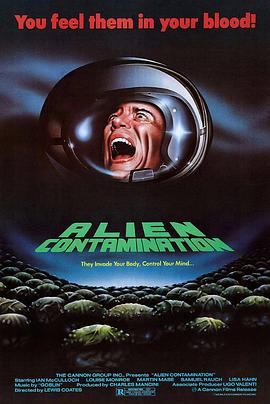
所谓的无船员的船携带咖啡驶入纽约,但是当警察和一些科学家在船上发现了船员可怕的尸体和大量的盒子装满绿色虫蛋。爆炸的时候蛋温度升高和任何人谁接触的物质都会爆炸。现在政府介入和幸存的军官,一名上校和一名宇航员发现这些蛋可能与灾难性的火星任务有关。
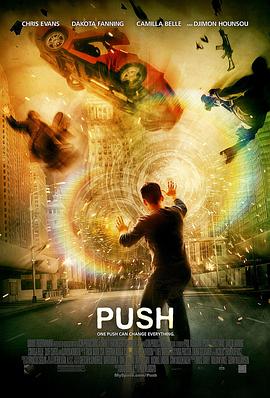
在这个世界上,有一个充满着诸多谜团的杀手组织,这个组织中的杀手,都被注射了一种基因,而让他们的身体结构发生变化,成为“异能者”……尼克的父亲(乔尔·格特斯饰)就曾经是这样的一位刺客,通过杀手组织的基因改造之后,尼克的父亲成为了一名顶尖的杀手,随着年纪渐老,尼克的父亲决定要退隐江湖,金盆洗手,但却遭到了组织的追杀,死在了幼年尼克(科林·福特饰)的面前,不得善终。 满怀悲痛的尼克(克里斯·埃文斯饰)长大后决定要为父报仇,但是杀手组织兵强马壮,自己区区一个小角色,又没有任何过人的能力,如何才能对抗庞大的犯罪集团?好在尼克并不笨,他构思了一个计划,将被杀手组织陷害和暗杀过的人的亲朋好友联系到了一起,从中组成了一支敢死队。而一些想退出组织的基因改造人也加入了尼克的团队,另外尼克还和另一位有着特异功能的少女凯西·霍尔蒙斯(达科塔·范宁饰)合作,她的异能则是神奇的预言未来。 在凯西的帮助下,他们共同追踪一个被盗旅行箱的下落,由于旅行箱可能置整个杀手组织于死地,于是也成了尼克一行人复仇的关键所在。几经周折,他们和前来抢夺的杀手组织成员交锋,拿到了旅行箱,并发现了神秘组织的最新武器--一个被命名为R16的强大新型实验性药品,而这个药品在谁手里,将直接决定这片土地的命运。杀手组织派出了精英杀手反扑,尼克一行人严阵以待,一场大战即将爆发……
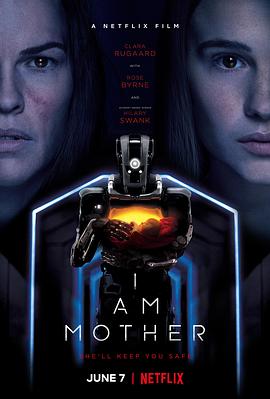
影片讲述一名少女在人类灭绝后,被一个用于构造生命让人类重现于地球、被称为“母亲”的机器人所创造,成为了新一代人类中的第一位,并且与“母亲”保持着独特的关系,然而一名受了伤的陌生人的到来使得这个关系受到动摇,让这名少女对于母亲告诉自己关于外面世界的一切以及母亲的意图产生了怀疑。
公元2186年,人类爆发了精神危机,AI乘虚而入创造“完美世界”和心灵孵化区,只有通过心灵值测评才能通向完美世界。Jacky和渡休一起生活在孵化区内,对完美世界充满向往,在一次心灵评测失败后由于抱怨导致两人心灵值被监视官扣至为零,于是他们找到地下组织“沖激钻”打算非法离开孵化区。但渡休的冒险偷渡方式不被Jacky认同,两人争执致使感情决裂。Jacky担心渡休安危,继而向千灵圣女求援,而千灵圣女则是一具被AI操控的雌雄两性躯体,心灵孵化则是她操控人类的手段。Jacky弄巧反拙,令渡休的意识被强制回收,同时也揭开自己经常回闪情景及头疼的真相!最终,在叛变心灵分析官明和坏死的帮助下,三人开展绝地逃生,一场惊天大战即将爆发……
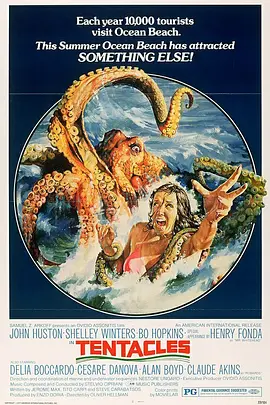
在海上接连发现漂浮的骷髅后,人们陷入恐慌,因为这些骷髅不仅外观恐怖,而且连骨髓都被完全吸食干净。爱德华这位报社记者觉得事情背后一定有蹊跷,于是请求海洋专家威尔前来协助调查。经过调查,他们发现海底竟有一只体形巨大的怪兽,它已经在海底隧道中建立了自己的巢穴,以人类为食物。威尔派遣的两名潜水员也不幸遇害于怪兽之口,加剧了人们的恐慌。 更为危险的是,这只怪兽开始被城市附近的人类活动所吸引,正朝着海滩节的聚集地靠近。在这一年一度的海滩节上,人们无忧无虑地在海上嬉戏玩耍,却毫不知情地成为怪兽视野中的潜在食物。随着怪兽的接近,一场人类的大灾难即将发生。人们面临着生死存亡的考验,他们必须迅速做出反应,寻找逃生的方法。或许是通过海上船只的撤离,或者是通过陆地的逃生通道,他们需要紧急组织起来,寻找安全的避难地点,避免成为怪兽的猎物。